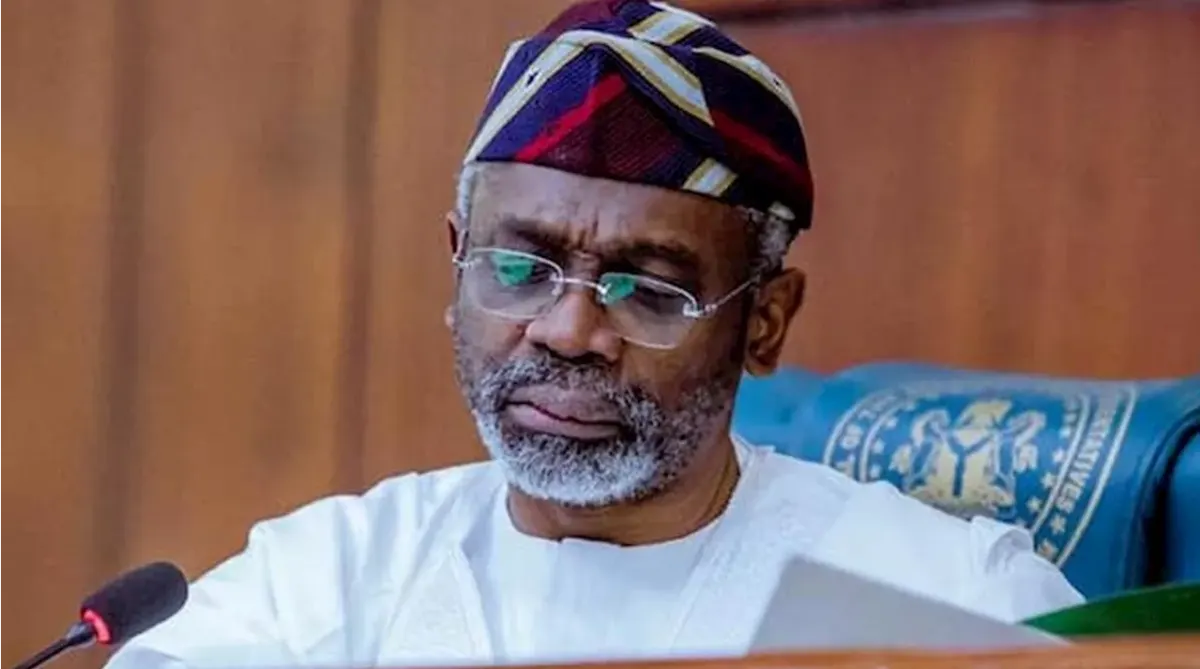
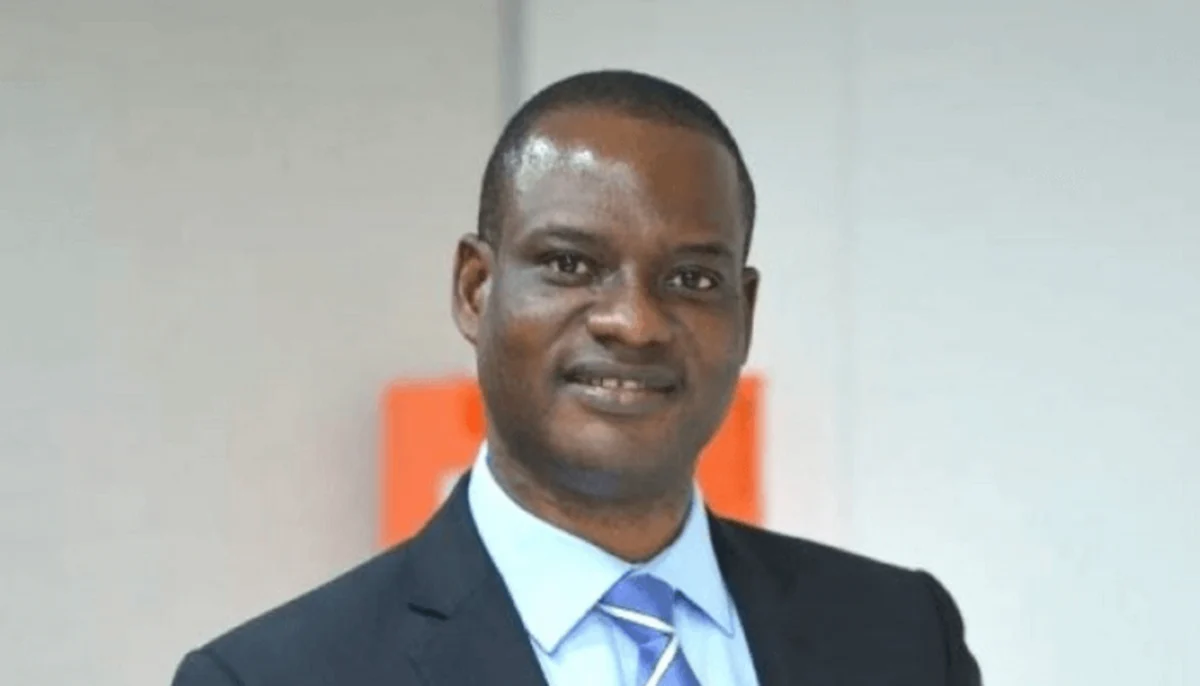
The Federal Government has denied operating an N8 trillion "shadow budget" following an International Monetary Fund report that exposed a 2% GDP spending discrepancy in Nigeria’s fiscal records. Finance Minister Taiwo Oyedele dismissed the allegations as a misinterpretation of the IMF’s 2026 Article IV Consultation Report. The controversy erupted after IMF Resident Representative Christian Ebeke revealed that Nigeria failed to report public expenditures equivalent to N8 trillion in recent budgets.
The IMF’s findings highlighted a statistical gap between Nigeria’s reported fiscal deficit and its actual financing needs. Ebeke stated that the unreported spending—linked to major government projects—obscured the country’s true fiscal position. The Fund acknowledged Nigeria’s efforts to address the issue through budget law revisions and improved reporting standards. Opposition figures swiftly capitalized on the disclosure. Former Vice President Atiku Abubakar demanded an investigation by the EFCC and National Assembly. Peter Obi, the Labour Party’s presidential candidate, labeled the alleged off-budget spending as "grand corruption," calling for immediate transparency reforms.
Oyedele’s rebuttal emphasized constitutional compliance. He insisted that all government expenditures adhere to Sections 80-83 and 162 of the 1999 Constitution. These provisions require public funds to be spent only through Appropriation Acts or statutory authorities approved by the National Assembly. The minister clarified that multi-year capital projects, implemented across budget cycles, are not classified as off-budget spending. He challenged critics to provide verifiable evidence of unlawful expenditures, stating that such claims must be backed by specific project details and legal breaches.
The Finance Ministry outlined Nigeria’s public finance framework to counter the allegations. Statutory transfers, debt service obligations, and intervention mechanisms—such as allocations to development commissions and security programs—are lawful expenditures. These are disclosed in fiscal reports and subject to oversight and audit. Oyedele rejected claims that the N8 trillion discrepancy increased Nigeria’s fiscal deficit. He explained that the deficit is determined by total revenue and expenditure, not the financing mechanism of approved projects. The IMF’s critique, he noted, focused on improving fiscal reporting comprehensiveness rather than questioning expenditure legality.
A critical but overlooked dimension of this controversy is the institutional friction between Nigeria’s budgetary practices and international reporting standards. The IMF’s technical observations reflect a broader challenge faced by developing nations: aligning domestic budget presentations with global fiscal transparency benchmarks. Nigeria’s practice of operating multiple and overlapping budgets has long been criticized for creating inefficiencies. President Bola Tinubu’s December 2025 proposal to consolidate these into a single framework aims to address this gap. However, resistance from entrenched bureaucratic interests could delay implementation.
Another underreported angle is the economic fallout of fiscal opacity allegations. Nigeria’s credit rating and access to international capital markets hinge on transparent fiscal data. The IMF’s disclosure has already raised concerns among investors about the accuracy of Nigeria’s financial reporting. Rating agencies and multilateral institutions closely monitor such developments. The Federal Government’s recent reforms—including digital treasury management and unified budget frameworks—aim to restore confidence. Yet, persistent perceptions of opacity could deter foreign direct investment and increase borrowing costs.
The Finance Ministry’s statement highlighted recent reforms to strengthen fiscal governance. Oyedele cited improvements in budget credibility, revenue administration, and the digitalization of government financial processes. These efforts have been acknowledged by the IMF and international credit rating agencies. However, the ministry’s failure to address specific projects allegedly executed outside the budget framework leaves room for further scrutiny. A detailed audit of government expenditures could provide clarity and restore public trust.
The controversy underscores a systemic flaw in Nigeria’s fiscal governance: the lack of a unified budgetary framework. The practice of operating multiple budgets has fostered inefficiencies and opacity. President Tinubu’s call for a single, harmonized budget during the 2026 Appropriation Bill presentation was a step toward addressing this issue. Yet, without political will and institutional coordination, Nigeria’s fiscal governance will continue to face credibility challenges. The battle for transparency is not just about numbers—it’s about rebuilding trust in Nigeria’s economic management.