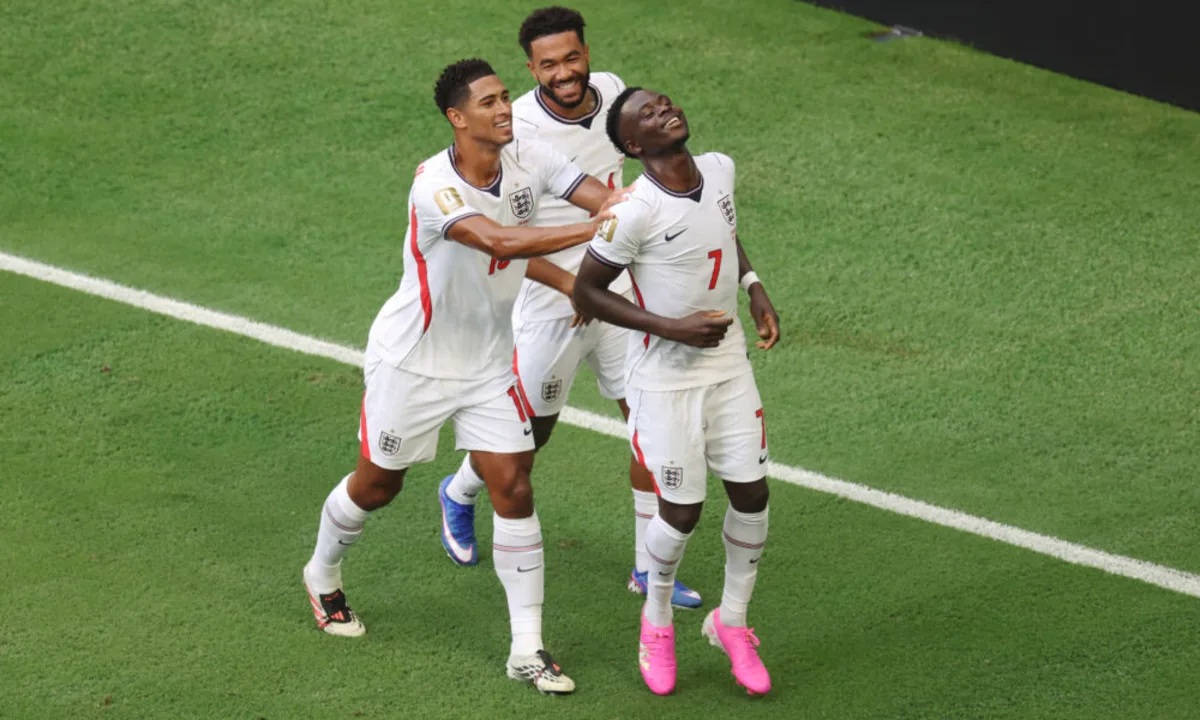

Jude Bellingham’s extra-time winner against Norway masked a deeper structural crisis in England’s midfield that could derail their World Cup campaign before the final. Thomas Tuchel’s post-match admission—“sloppy, not fast enough, not repetitive enough”—was not mere frustration. It was a tactical diagnosis. England’s 2-1 victory in Miami revealed a squad stretched thin by heat, fatigue, and a midfield collapse that Norway exploited for 90 minutes before extra time mercifully arrived.
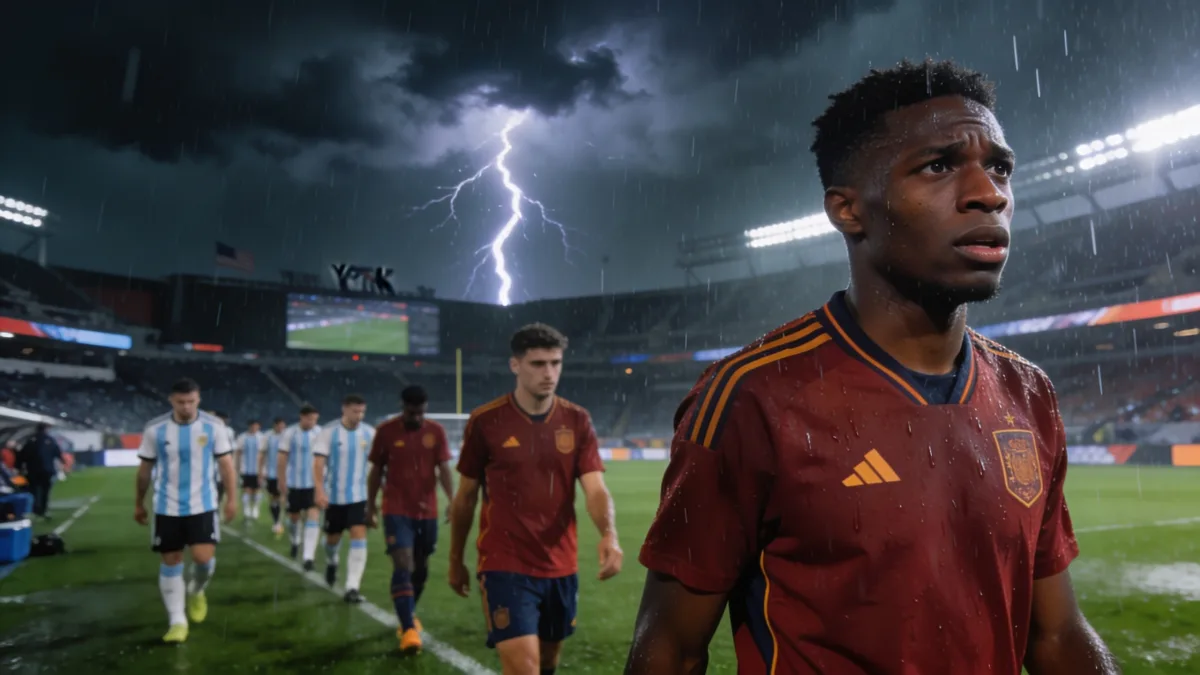
The 5:00 pm local kick-off in Florida delivered conditions more brutal than any European summer: 30 degrees Celsius with humidity clinging like a second shirt. Norway, acclimatised to Scandinavian summers but trained for Gulf League intensity, used the heat as a weapon. Their pressing triggered England’s first-half errors—Declan Rice’s illness-forced substitution at half-time left a void that Bukayo Saka and Eberechi Eze could not fill. Without Rice’s defensive shield, England’s double pivot became a single pivot, and Norway’s Martin Ødegaard carved through the space like a surgeon. The disallowed second-half goal for a Haaland foul on Elliott Anderson was VAR theatre, but the real story was Norway’s sustained pressure on England’s exposed midfield.
Tuchel’s half-time changes—replacing Noni Madueke and Rice—were forced by circumstance, not design. The result was a tactical mismatch: England’s wingers, Saka and Eze, were asked to track back and cover full-backs, leaving Harry Kane isolated. Norway’s low block, anchored by Kristoffer Ajer and Torbjørn Heggem, funnelled England’s attacks into crowded central channels. Kane’s offside disallowed goal just before half-time was the closest England came to breaking the pattern. The heat sapped England’s verticality; their average pass length dropped from 18.2 metres in the first half to 14.7 in extra time, a metric that quantifies their retreat into possession without penetration.
Bellingham’s brace—his sixth and seventh goals of the tournament—obscured the fact that England’s xG (expected goals) without his contributions was 0.8. His first goal, a left-footed strike after collecting Anthony Gordon’s pass, was individual brilliance. His second, pouncing on Orri Freyr Nyland’s spill, was opportunism born of Norwegian exhaustion. But England’s reliance on Bellingham to bail them out in knockout rounds is unsustainable. Against Argentina or Switzerland, neither of whom will gift space or errors, England’s midfield frailty will be exposed again. Argentina’s midfield trio of Enzo Fernández, Alexis Mac Allister, and Rodrigo De Paul average 92.3 passes per 90 with an 89.1% completion rate—figures that dwarf England’s midfield output in Miami.
The hidden boardroom friction beneath England’s campaign surfaced in Tuchel’s press conference. His blunt assessment—“we were lucky today”—clashed with Bellingham’s terse “whatever” response. The disconnect suggests a dressing room fracture. Tuchel’s criticism of England’s “cautious” play was a coded critique of Gareth Southgate’s conservative substitutions. Southgate’s reluctance to introduce Kobbie Mainoo, the 19-year-old Manchester United midfielder, until the 112th minute was puzzling. Mainoo’s introduction coincided with England’s only period of controlled possession in extra time, yet he was given just eight minutes. The decision smacked of managerial uncertainty, a trait that could prove fatal against Argentina’s ruthless counter-pressing.
Norway’s tactical masterclass in heat management was the overlooked angle of the quarter-final. Their squad rotation—Haaland substituted at half-time of extra time—was a calculated risk. Norway’s medical staff monitored core temperatures via ingestible thermometer pills, a practice England have only trialled in friendlies. Haaland’s replacement, Alexander Sørloth, offered a direct aerial threat that England’s defence, marshalled by John Stones and Marc Guéhi, struggled to contain. Norway’s set-piece routines, designed by assistant coach Kjetil Knutsen, generated three clear chances in the second half. England’s zonal marking, effective against Mexico’s short corners, was exposed by Norway’s inswinging deliveries, which forced Jordan Pickford into two reflex saves.
England’s defensive frailty extends beyond midfield. Their full-backs, Kyle Walker and Luke Shaw, were caught high up the pitch when Norway countered, a vulnerability Argentina will exploit. Walker’s recovery pace, once his greatest asset, has slowed; he was beaten for speed by Schjelderup in the build-up to Norway’s opener. Shaw’s crossing accuracy, a key part of England’s attacking plan, dropped to 42% in Miami—well below his Premier League average of 58%. Without Rice’s protection, England’s full-backs were forced into one-on-one duels they could not win. Norway’s wingers, Jørgen Strand Larsen and Oscar Bobb, targeted Shaw’s side relentlessly, creating 12 of Norway’s 18 shots.
The Golden Boot race, with Kylian Mbappé and Lionel Messi tied on eight goals, has overshadowed England’s structural deficiencies. Bellingham and Kane, tied on six goals, are outsiders not by talent but by system. England’s reliance on individual moments—Bellingham’s goals, Pickford’s saves—rather than collective cohesion is a recipe for semi-final heartbreak. Tuchel’s post-match analysis was not hyperbole; it was a warning. England’s path to the final is not paved with luck but with tactical adjustments that may already be too late.