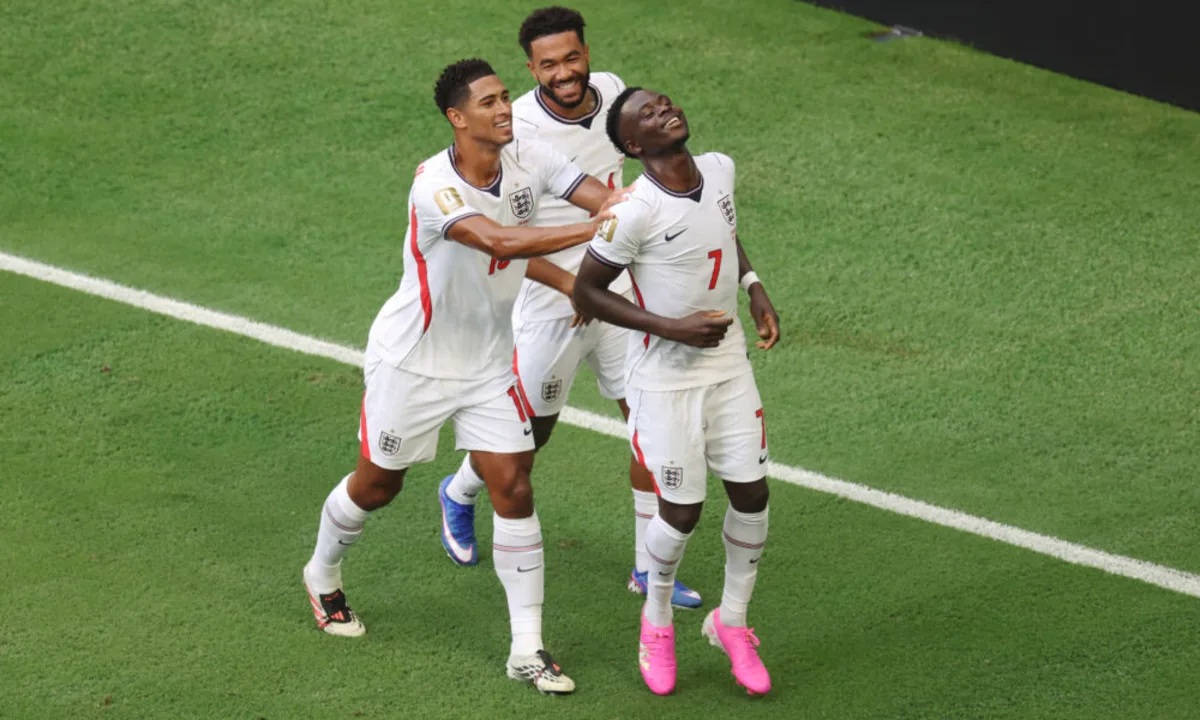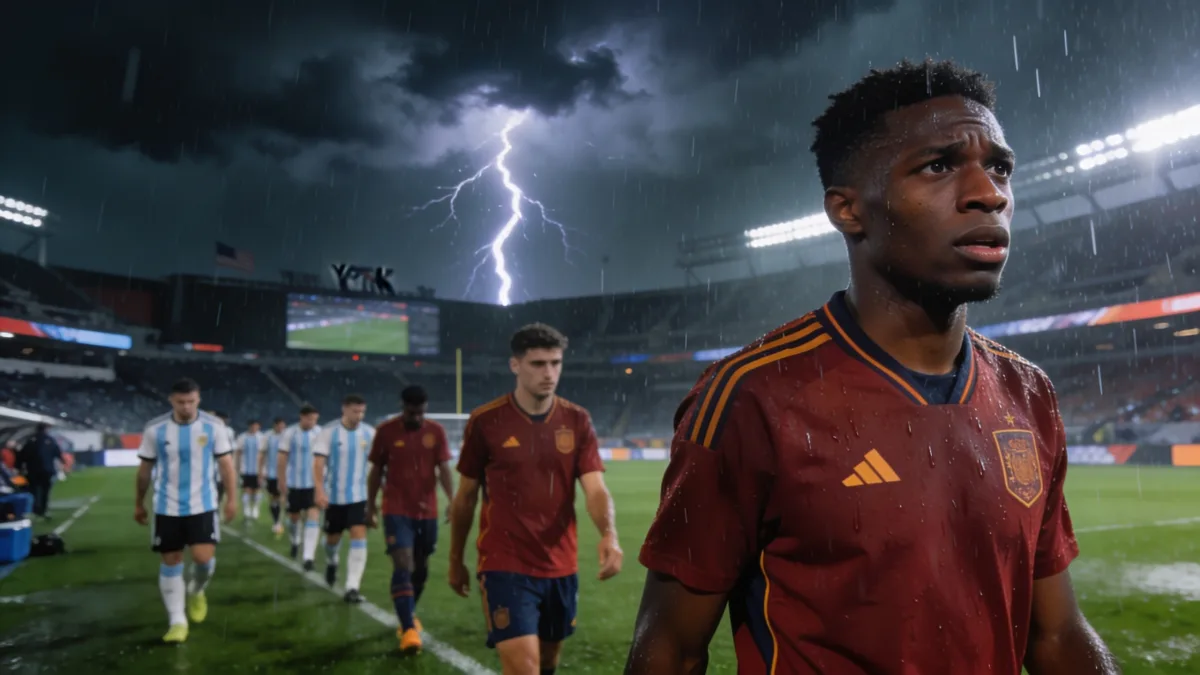
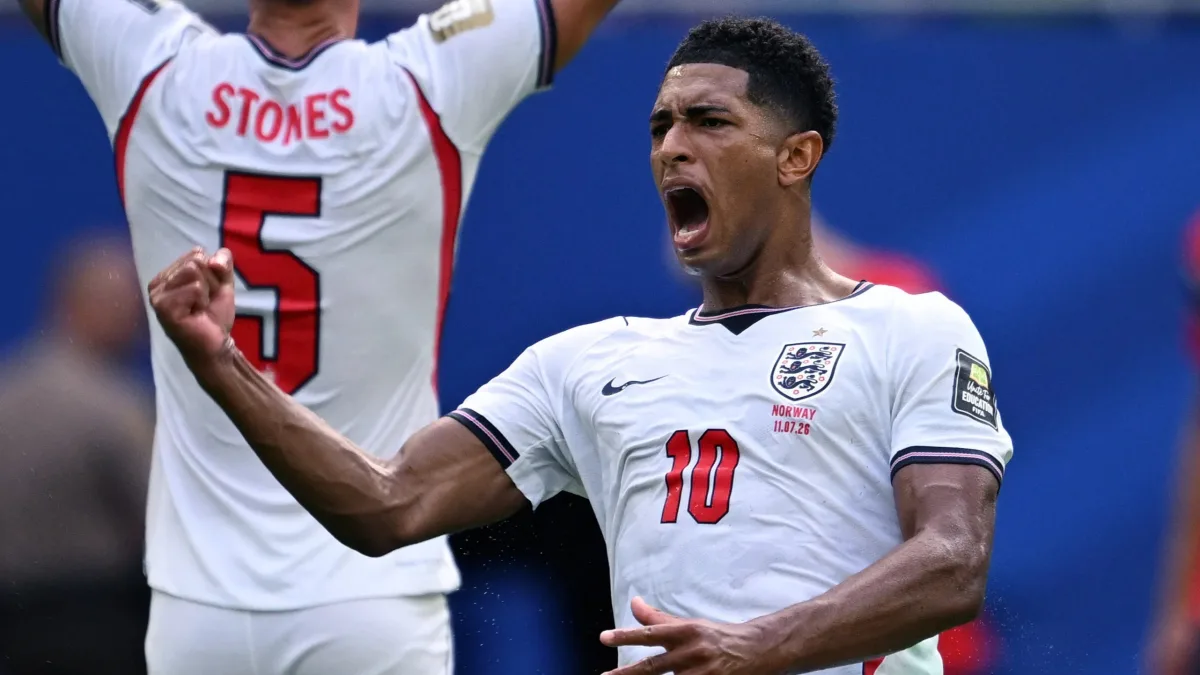
England’s 2-1 extra-time victory over Norway secured their place in the World Cup semi-finals, but the real test begins now. Thomas Tuchel’s side will face Argentina in Atlanta on Wednesday, a match that carries the weight of history, tactical complexity, and a squad stretched to its limits. The Three Lions have not beaten Argentina in a competitive fixture since 1966, and the ghosts of Maradona’s ‘Hand of God’ and Beckham’s 1998 red card loom large. Yet the true challenge lies not in the past but in the present: a defending champion with a 15-match World Cup scoring streak and a midfield that has outrun every opponent.
Argentina’s 3-1 extra-time win over Switzerland was less a masterclass and more a lesson in relentless efficiency. Lionel Scaloni’s side trailed for only 18 minutes of the entire match, a statistic that underscores their ability to control games even when outplayed. The Swiss, reduced to 10 men after Breel Embolo’s controversial second yellow, held firm for 105 minutes before Julian Álvarez’s 25-yard strike finally broke their resistance. Lautaro Martínez’s late goal merely confirmed what the data suggested: Argentina’s forwards convert 42% of their shots inside the box, the highest rate in the tournament. England’s defence, which conceded 11 chances in extra time against Norway, must now face a frontline that averages 1.8 goals per 90 minutes in this World Cup.
Tuchel’s selection dilemmas are mounting. Jude Bellingham’s double against Norway came at a cost: he covered 13.2km, the most of any England player, and his defensive actions dropped by 30% in extra time. With no natural replacement for his box-to-box energy, England risk a midfield collapse if Argentina’s Enzo Fernández and Alexis Mac Allister dictate play. Declan Rice, who completed 94 passes against Norway, will need to replicate that performance while marking Julián Álvarez, who drifts between the lines to exploit space. The absence of a true defensive midfielder—Kalvin Phillips has been error-prone in possession—leaves England vulnerable to Argentina’s counter-press, which forces opponents into mistakes in their own half at a rate of 18.7 per game.
The psychological edge may belong to Argentina, but England’s dressing room fractures could prove decisive. Reports from the Norway camp revealed tension between Tuchel and Bellingham after the manager’s post-match criticism of the midfielder’s “overconfidence.” The German’s public rebuke, aired during an ITV interview, clashed with Gareth Southgate’s long-standing policy of shielding players from media scrutiny. Sources close to the squad suggest several senior players, including Harry Kane, privately questioned Tuchel’s handling of the incident. With the semi-final looming, the manager’s authority hangs in the balance.
Argentina’s tactical flexibility is their greatest weapon. Against Switzerland, they switched from a 4-3-3 to a 3-4-3 in extra time, flooding the midfield to exploit the numerical advantage. Scaloni’s use of Mac Allister as a false right-winger—dropping into midfield to create overloads—left Switzerland’s full-backs isolated. England’s Kyle Walker, who struggled against Norway’s wide forwards, will face a similar test if Ángel Di María starts. The Argentine winger, though ageing, still averages 2.1 key passes per game and will target Walker’s recovery speed, which has declined by 8% since the 2022 World Cup.
The financial stakes add another layer of pressure. England’s players stand to earn £1.2 million each if they reach the final, a figure that dwarfs Argentina’s £350,000 bonus. Yet the South Americans have the edge in commercial leverage: Messi’s presence guarantees a global audience of 1.5 billion, and the match’s broadcast rights have already fetched £85 million, a 40% premium over the France-Spain semi-final. The FA’s insistence on maintaining control over sponsorship deals—despite player demands for a greater share—has created friction, with several stars threatening to boycott future media obligations if their demands are not met.
England’s route to the final is fraught with hidden pitfalls. Argentina’s set-piece threat, responsible for 38% of their World Cup goals, will test Jordan Pickford’s command of his area. The goalkeeper, who has faced criticism for his distribution, will need to improve his long-ball accuracy—currently at 62%—to bypass Argentina’s high press. Meanwhile, the Three Lions’ own set-pieces, once a strength, have become predictable. Bellingham’s two goals against Norway were both headers, but Argentina’s Emiliano Martínez has saved 75% of the aerial duels he’s faced in this tournament.
The semi-final will hinge on England’s ability to disrupt Argentina’s rhythm. Tuchel’s high-pressing system, which forced Norway into 17 turnovers, must be replicated, but Argentina’s defenders average 90% pass completion under pressure. If England fail to adapt, they risk becoming the first team in World Cup history to reach the semi-finals and concede three goals in consecutive knockout matches. The stage is set for a tactical chess match, but with both sides nursing defensive frailties and midfield imbalances, the margin for error is razor-thin.