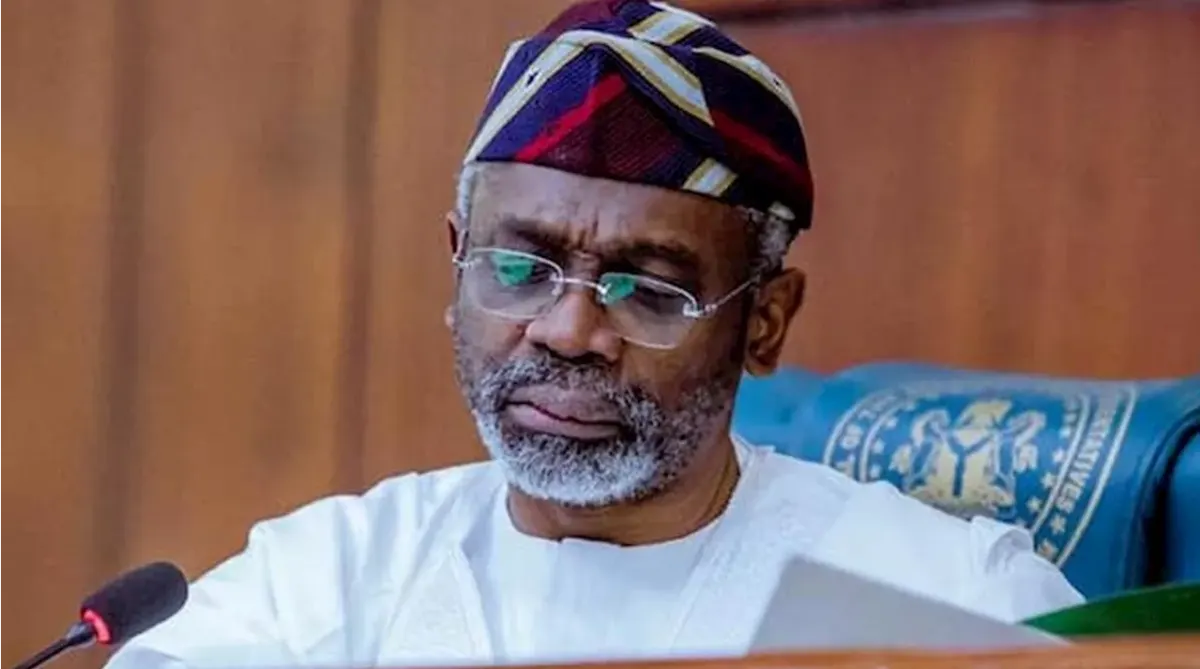
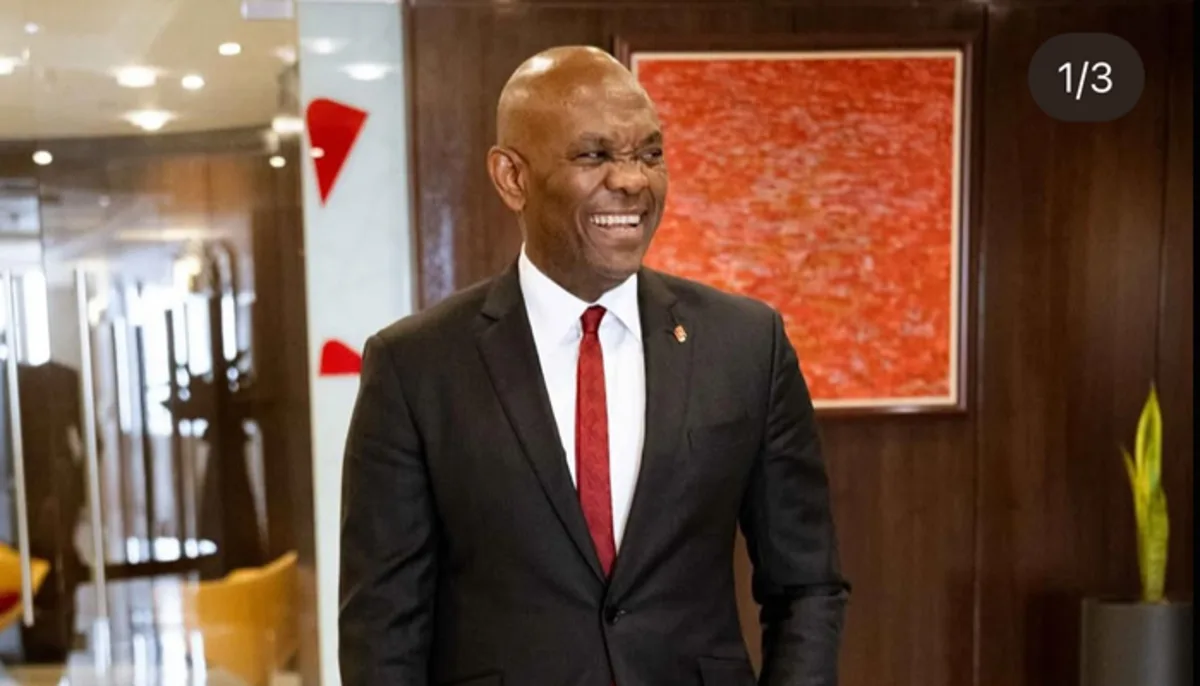
Seplat Energy Plc has executed a boardroom coup that reshapes Nigeria’s indigenous oil sector. Tony Elumelu, founder of Heirs Holdings, will assume the chairmanship on January 1, 2027, while Effiong Okon, a 35-year Shell veteran, takes over as CEO from Roger Brown on August 1, 2026. The dual appointments signal a deliberate pivot: Seplat is no longer content to be a marginal player in Africa’s energy transition—it now aims to become the continent’s first home-grown international oil company.
The timing is deliberate. Brown’s departure coincides with the completion of the Mobil Producing Nigeria Unlimited (MPNU) acquisition, a $1.3 billion deal that doubled Seplat’s production to 140,000 barrels of oil equivalent per day. The transaction also saddled the company with $1.1 billion in debt, a leverage ratio that demands disciplined capital allocation. Okon’s background as Shell’s global Vice President for Cost Leadership and Continuous Improvement is no accident; his mandate is to squeeze every naira from the expanded portfolio while navigating Nigeria’s Petroleum Industry Act, which imposes a 30% hydrocarbon tax and a 10% host community levy on upstream operators.
Elumelu’s chairmanship brings more than just capital. Heirs Holdings owns 20.07% of Seplat, a stake that gives him boardroom control but also exposes his broader conglomerate to the company’s operational risks. His Africapitalism philosophy—long-term private sector investment as a driver of economic transformation—aligns with Seplat’s 2030 Roadmap, which targets 500,000 boe/d and a 30% reduction in carbon intensity. Yet the roadmap’s success hinges on Okon’s ability to deliver the ANOH Gas Processing Company (AGPC) project, which achieved first gas in January 2026 but still faces infrastructure bottlenecks that could delay full commercialisation until late 2027.
Okon’s technical pedigree is unassailable. His 26-year tenure at Shell included stints as Manager of Qatar’s North Field Wells & Reservoir—the world’s largest non-associated gas field—and Deputy Vice President (Technical) for Qatar Shell, where he oversaw the $25 billion Pearl GTL plant. When Shell deployed him to Nigeria as General Manager of Deepwater Production, he managed the Bonga field, a deepwater asset that produces 200,000 barrels per day and requires constant subsea intervention. This experience is critical for Seplat, which now operates MPNU’s 40 offshore platforms and 300 onshore wells, many of which are nearing the end of their design life and require costly workovers.
The leadership transition also exposes fault lines in Nigeria’s energy policy. The Petroleum Industry Act (PIA) mandates that indigenous companies must list 10% of their shares on the Nigerian Exchange by 2027, a requirement that could force Seplat to dilute its float or face regulatory sanctions. Elumelu’s chairmanship may provide political cover; his close relationship with President Bola Tinubu could ease negotiations with the Nigerian Upstream Petroleum Regulatory Commission (NUPRC) over the company’s $2.5 billion outstanding tax liabilities, which stem from the MPNU acquisition and could trigger a technical default if unresolved.
Shareholders are already voting with their feet. Seplat’s stock price surged 8.4% on the Nigerian Exchange following the announcement, adding ₦47 billion to its market capitalisation in a single trading session. Yet the rally masks deeper structural risks. The company’s debt-to-equity ratio now stands at 0.85, above the sector average of 0.6, and its interest coverage ratio has fallen to 3.2, down from 5.1 in 2023. Okon’s immediate priority is to refinance $800 million in short-term debt maturing in Q4 2026, a process that will test his ability to secure favourable terms from international lenders wary of Nigeria’s currency volatility and regulatory unpredictability.
The ANOH project, a joint venture with NNPC Limited, is the linchpin of Seplat’s gas strategy. The facility is designed to process 300 million standard cubic feet of gas per day, enough to power 1.5 gigawatts of electricity. Yet its commercial viability depends on the Nigerian Gas Transportation Network Code (NGTNC), which sets tariffs for third-party access to pipelines. Current tariffs are capped at $0.80 per million British thermal units (MMBtu), below the $2.50/MMBtu required for profitability. Okon must negotiate a tariff adjustment with the Nigerian Midstream and Downstream Petroleum Regulatory Authority (NMDPRA) or risk writing down the project’s $700 million capital expenditure.
Elumelu’s chairmanship also raises questions about governance. Heirs Holdings’ portfolio includes Transcorp Power, which operates the 972-megawatt Ughelli plant, and UBA, Nigeria’s third-largest bank by assets. These entities could become off-takers for Seplat’s gas, creating potential conflicts of interest. The Nigerian Code of Corporate Governance requires independent directors to constitute at least 50% of the board, but Elumelu’s dual roles as chairman and majority shareholder could trigger regulatory scrutiny from the Securities and Exchange Commission (SEC).
Brown’s legacy is secure. During his 13-year tenure, Seplat’s market capitalisation grew from ₦120 billion to ₦560 billion, and its reserves increased from 40 million barrels to 450 million barrels. Yet his departure leaves Okon with a company at a crossroads. The MPNU acquisition has expanded Seplat’s footprint, but it has also exposed the company to Nigeria’s volatile fiscal regime. The Petroleum Profits Tax (PPT) rate for deepwater assets is 50%, compared to 85% for onshore fields, a disparity that could incentivise Seplat to shift capital expenditure offshore—if Okon can secure the necessary drilling rigs in a market where day rates have surged to $400,000.