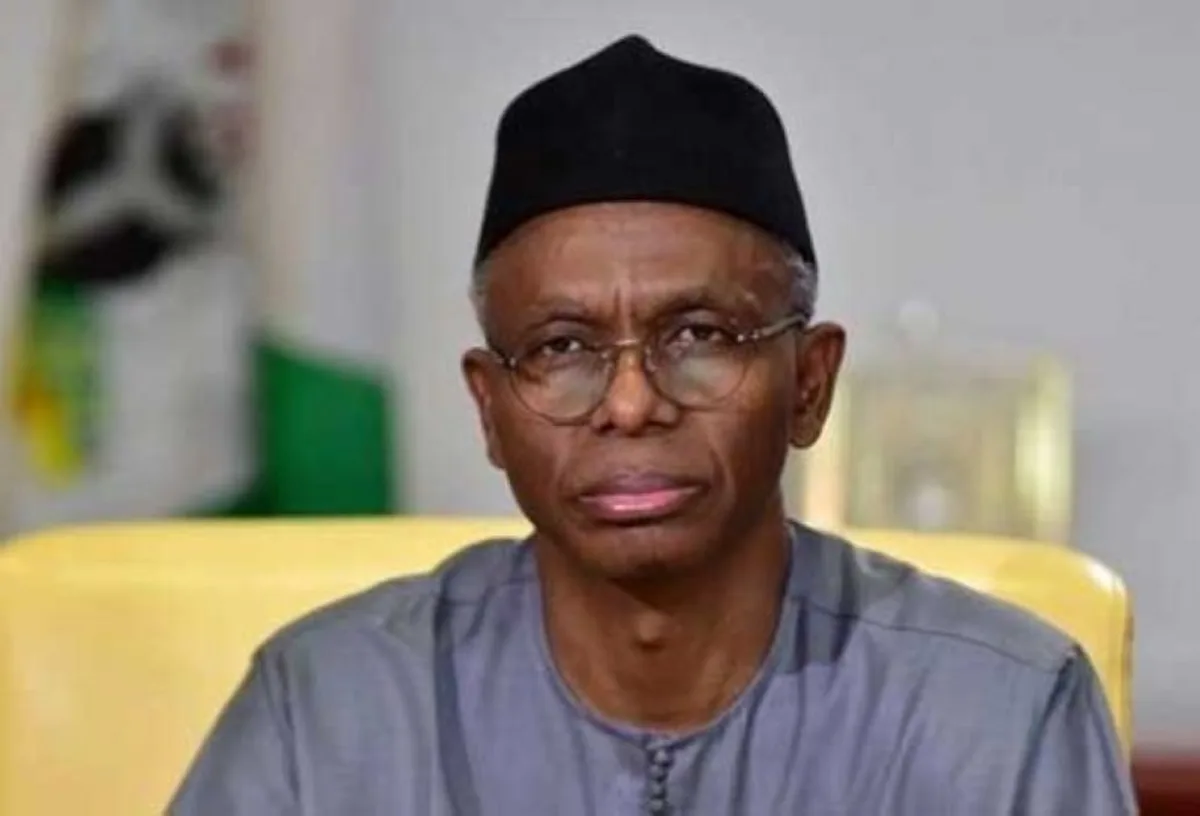
ABUJA — The Department of State Services (DSS) abruptly closed its wiretapping case against former Kaduna State Governor Nasir El-Rufai on Tuesday after presenting only two witnesses. The decision leaves the court to decide whether the prosecution met the threshold for a full trial. Justice Joyce Abdulmalik adjourned proceedings until September 22 to allow the defence to file a no-case submission.
The DSS called just two witnesses over four months. The first was a DSS operative who testified in May. The second was activist Deji Adeyanju, who appeared on Monday under court summons. Prosecution counsel Oluwole Aladedoye told the court the agency would call no further witnesses. He argued the evidence already presented was sufficient to sustain the charges.
El-Rufai’s legal team immediately signalled its intent to challenge the prosecution’s case. Lead counsel Paul Erokoro, a Senior Advocate of Nigeria, said the defence would file a no-case submission. He contended the prosecution failed to establish a prima facie case that would require El-Rufai to present a defence. Both sides were granted two weeks to prepare their arguments.
The trial has been marked by prolonged detention and stringent bail conditions. El-Rufai has been in custody since February 16, when the Economic and Financial Crimes Commission (EFCC) first detained him. He was later transferred to the Independent Corrupt Practices Commission (ICPC) and then to the DSS. He was released for only two days in April to attend his mother’s funeral.
The bail conditions set by Justice Abdulmalik on May 18 have proven insurmountable. The court demanded a surety who is a federal civil servant at Grade Level 17 or above, owns property in Abuja’s Maitama or Asokoro districts, and can deposit the original Certificate of Occupancy. The surety must also provide three months of authenticated salary slips, a tax clearance certificate, and an attestation letter from the Kaduna State Traditional Council.
El-Rufai’s legal team argued these conditions were designed to keep him in detention. They pointed out that the Kaduna Traditional Council is controlled by Governor Uba Sani, El-Rufai’s political rival. The defence also noted that identical bail conditions were imposed in three separate cases in Kaduna, suggesting a coordinated effort to prevent his release. The prosecution countered that qualified sureties exist, but the court declined to relax the terms.
The case stems from allegations that El-Rufai intercepted phone conversations of National Security Adviser Nuhu Ribadu. The charges were filed after El-Rufai publicly claimed on Arise Television that Ribadu’s phone had been wiretapped. The former governor pleaded not guilty to all five counts in the amended charge sheet. Legal observers say the prosecution’s decision to close its case after only two witnesses raises questions about the strength of the evidence.
The adjournment until September 22 means El-Rufai will have spent at least 217 days in custody if he remains unable to meet the bail conditions. His family has expressed growing concern about his health. A relative told Daily Trust that doctors at the National Hospital in Abuja warned El-Rufai may be developing prostate cancer due to prolonged inactivity. The ICPC has allowed family members to bring food and has taken him for medical check-ups, but his condition has reportedly deteriorated.
The case has exposed deeper institutional tensions. El-Rufai’s detention began after he returned from self-imposed exile in Egypt. Security operatives attempted to arrest him at Abuja airport but failed. His subsequent detention by multiple agencies has fuelled speculation about political motivations. The identical bail conditions across different courts have reinforced perceptions of a deliberate strategy to keep him detained regardless of the trial’s outcome.