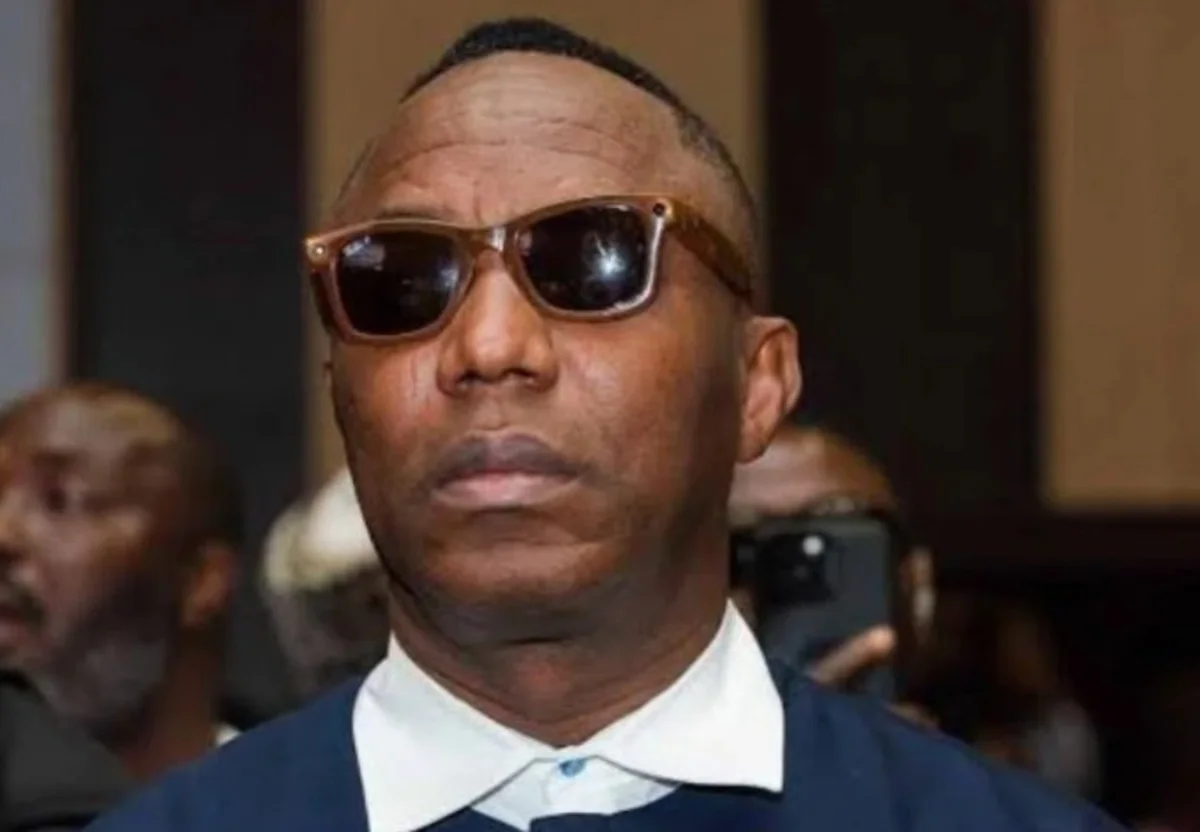
The Federal High Court in Abuja has ordered activist Omoyele Sowore to remain in Kuje Correctional Centre until June 30. Justice Mohammed Umar set the date for ruling on Sowore’s application to vacate the bench warrant and restore his bail. The decision followed heated arguments between defence and prosecution counsel over the legality of the bail revocation.
The Department of State Services (DSS) charged Sowore with cybercrime and criminal defamation in August 2025. The charges stem from social media posts on his X and Facebook accounts where he referred to President Bola Tinubu as a "criminal." Sowore pleaded not guilty. The court revoked his bail on June 16 after he failed to appear for trial. Justice Umar issued a bench warrant and ordered his remand in Kuje prison pending the determination of his application.
At Wednesday’s proceedings, defence counsel R.O. Adakole argued a motion seeking 12 reliefs. These included setting aside the June 16 bail revocation, vacating the bench warrant, and restoring the original bail conditions. Adakole relied on a 34-paragraph affidavit deposed by Emmanuel Larry and a written address. He urged the court to grant the reliefs in the interest of justice and discountenance the prosecution’s counter-affidavit.
Prosecuting counsel Akinlolu Kehinde (SAN) opposed the application. He presented a 25-paragraph counter-affidavit challenging the defence’s claims. Kehinde argued that Sowore had not provided truthful facts capable of swaying the court’s discretion. He insisted the court should uphold the bench warrant and bail revocation. Justice Umar adjourned the matter to June 30 for ruling after listening to both sides.
The defence made an oral application for Sowore’s temporary release to his legal team pending the ruling. They assured the court he would be produced on the adjourned date. The prosecution opposed the request, calling it inappropriate and arguing it should be formally filed. Justice Umar declined the application, stating it would undermine the purpose of the adjournment. He ordered Sowore’s return to Kuje prison.
The case has exposed systemic tensions between judicial discretion and executive enforcement. The DSS has repeatedly targeted Sowore for his public criticism of government officials. Previous attempts to secure his release or adjust bail conditions have faced similar judicial pushback. Legal analysts note the pattern reflects broader challenges in balancing free speech protections with cybercrime legislation enforcement.
The court’s handling of Sowore’s absence on June 16 reveals procedural gaps in Nigeria’s criminal justice system. Defence counsel cited logistical challenges in transitioning legal representation as the reason for Sowore’s non-appearance. The court dismissed this explanation, prioritising trial continuity over defendant convenience. This approach risks penalising defendants for administrative delays beyond their control, particularly in high-profile cases with frequent counsel changes.
The June 30 ruling will test the judiciary’s independence in politically sensitive cases. If the court upholds the bail revocation, it may signal judicial deference to executive security agencies. Conversely, restoring Sowore’s bail could reinforce constitutional protections for free expression. The outcome will likely influence future prosecutions of government critics under cybercrime laws. Civil society groups have warned that prolonged detention without trial sets dangerous precedents for press freedom and dissent.