
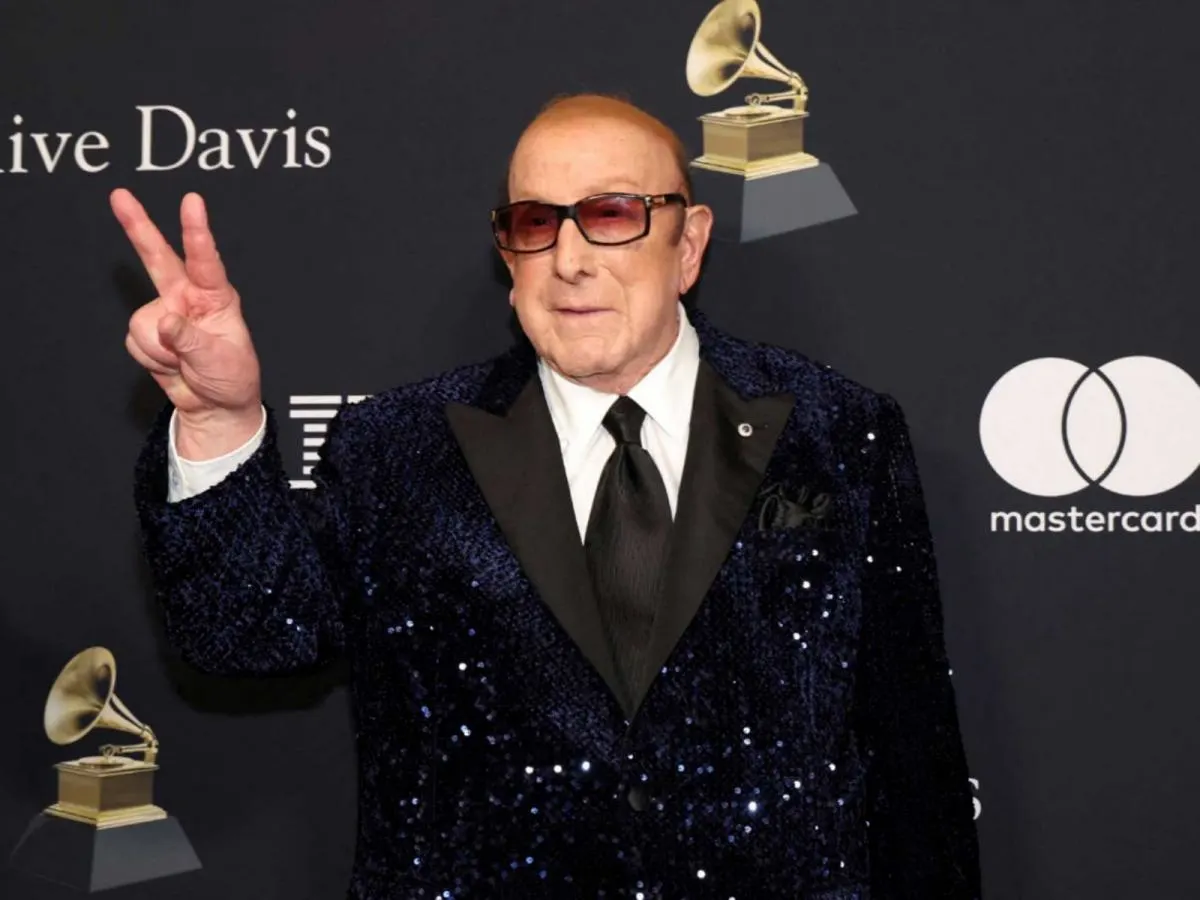
Clive Davis died at 94 in his Manhattan home on June 23. The cause was age-related illness. He had been hospitalized briefly for an upper respiratory infection before returning home. His family confirmed the death in a statement released on his social media accounts. They called him an "iconic music legend whose vision, instincts, and relentless pursuit of excellence shaped the soundtrack of countless lives."
Davis was born in Brooklyn in 1932. He graduated from Harvard Law School and began his career as an attorney. His entry into the music industry was accidental. He joined Columbia Records as an in-house lawyer in the early 1960s. By 1967, he was named president of the label at 35. Under his leadership, Columbia Records embraced rock music. He signed Bruce Springsteen, Janis Joplin, and Carlos Santana. His ability to identify talent before it broke into the mainstream became his trademark.
The music industry lost one of its most influential executives with his passing. Davis won five Grammy Awards. He was inducted into the Rock and Roll Hall of Fame in 2000. His career spanned over five decades. He worked at Columbia Records, Arista Records, and J Records. He discovered and mentored artists who defined generations. Whitney Houston, Alicia Keys, and Barry Manilow were among them. His impact extended beyond record sales. He shaped the careers of songwriters, producers, and performers.
Tributes poured in from artists he had worked with. Bruce Springsteen called Davis a "great man" and a "close friend." He credited Davis with changing his life when he signed him to Columbia Records at 22. Billy Joel remembered Davis for recognizing talent and championing songwriters. Barry Manilow described their 50-year partnership as family. Alicia Keys called him a "visionary who transformed dreams into reality." Jennifer Hudson said his legacy would "always live on."
Davis’s influence was not limited to the artists he signed. He played a critical role in the evolution of the music industry’s business model. He shifted focus from singles to albums. He championed the concept of the "artist development" era. This approach allowed musicians to grow creatively while building sustainable careers. His annual Grammy Week party became an industry institution. It was later adopted as an official Recording Academy event in 2009. The party was a networking hub where deals were made and careers were launched.
One of the most overlooked aspects of Davis’s career was his role in diversifying the music industry. He signed and promoted Black artists at a time when the industry was dominated by white executives and performers. Whitney Houston’s debut album, released under his guidance, became the best-selling debut album by a female artist at the time. He also played a key role in the success of Philadelphia International Records, which brought the "Sound of Philadelphia" to global audiences. This move helped pave the way for R&B and soul music to enter the mainstream.
Davis’s personal relationships with artists set him apart from other executives. He was known for his hands-on approach. He attended recording sessions, offered creative input, and provided emotional support. Narada Michael Walden, a producer who worked with Davis, called him a "perfectionist" and "very giving." Kenny Loggins credited Davis with believing in him when others hesitated. Ray Parker Jr. revealed that Davis had written him a heartfelt birthday letter despite being unwell. These personal touches created lifelong loyalty among the artists he worked with.
His death also marks the end of an era for the music industry’s old guard. Davis was one of the last executives who bridged the gap between the analog and digital ages. He adapted to changes in technology and consumer behavior. He embraced streaming platforms and digital distribution. Yet, he remained committed to the traditional values of artist development and creative integrity. His ability to balance innovation with tradition ensured his relevance across decades.
Davis is survived by four children and eight grandchildren. His family described him as a "steady presence" who never lost sight of what mattered most: love and family. His professional accomplishments were vast. But his greatest pride, they said, was his role as a father and grandfather. The music industry will feel his absence. But his legacy will endure through the artists he discovered and the songs he helped bring to life.