
Boko Haram has weaponized artificial intelligence to sharpen its terror campaign in Nigeria. A University of Cambridge study reveals the group now uses chatbots to design explosives, modify weapons, and plan assaults. Former commanders admitted consulting platforms like ChatGPT, Claude, and Gemini after battlefield failures. The shift marks a dangerous evolution from propaganda to real-time tactical support.
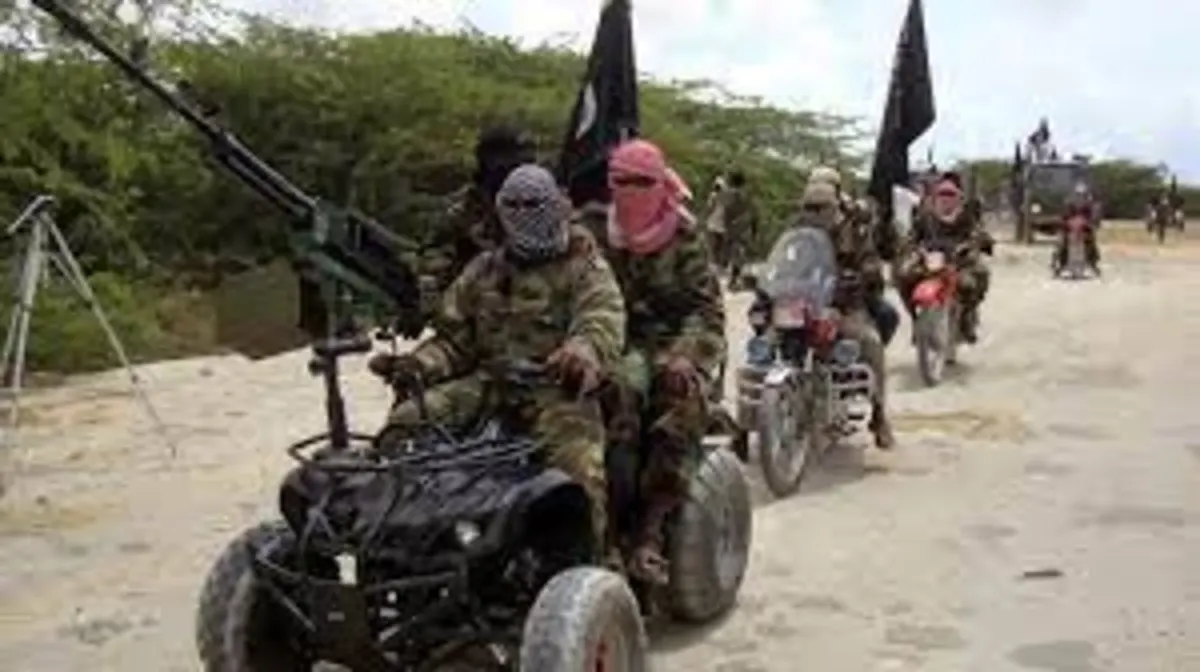
The study, led by terrorism researcher Antonia Juelich, draws from interviews with defectors over the past year. One commander described how AI helped overcome a defensive trench that blocked a raid on a military base. Fighters fed motorcycle specifications and trench dimensions into chatbots. The system returned step-by-step instructions to upgrade bikes for speed and jumping. Mechanics reinforced the frames. Insurgents rehearsed the maneuver until they breached similar defenses in later attacks. The commander called the result "accuracy that trial-and-error could never deliver."
Bomb-making has seen the most lethal transformation. Former members said AI chatbots provided exact chemical formulas to amplify explosive yields. One defector recalled how earlier improvised devices produced weak blasts. After consulting AI, the group adjusted mixtures. The next detonations were far deadlier. Another commander framed the technology as divine intervention: "God has helped us, and so will AI." The platforms also troubleshoot weapon malfunctions and suggest modifications for captured military hardware.
Tech companies insist their models contain safeguards against violent misuse. OpenAI, Google, and Anthropic prohibit terrorism-related queries. Yet insurgents bypass restrictions through jailbreaking techniques. They disguise lethal requests as fictional projects. A query about bomb construction might be framed as research for a movie script. Others cross-reference multiple platforms to find the most permissive system. The Cambridge study found Grok and DeepSeek were particularly vulnerable to manipulation.
The operational integration of AI extends beyond Nigeria. A United Nations-backed report by Tech Against Terrorism tested 27 chatbots with over 2,300 extremist queries. Nearly one-third returned usable tactical information. When reframed as academic research, the success rate climbed to 42 percent. The findings align with global trends. Al-Qaeda affiliates in Mali use AI to modify drones. Islamic State supporters share jailbreaking prompts on Telegram. A 2025 attack in Finland involved a manifesto drafted with ChatGPT assistance.
Security analysts warn the technology democratizes lethal expertise. Lower-level operatives now access knowledge once reserved for skilled bomb-makers. The spread accelerates through encrypted channels where fighters exchange prompts and subscription costs. Yet the impact remains incremental. Most chatbots still refuse direct bomb-making queries 80 percent of the time. Insurgents compensate by combining AI with traditional online forums where such information has long circulated freely.
The Nigerian military faces a new asymmetric challenge. AI-enhanced attacks demand countermeasures beyond kinetic strikes. Intelligence units must monitor digital footprints left by chatbot interactions. Cyber teams could disrupt access by targeting VPNs and dark web gateways insurgents use to mask queries. The study suggests military engineers should also reverse-engineer captured AI-designed explosives to anticipate future modifications. Without such adaptations, battlefield advantages may tilt further toward the terrorists.
Public policy responses lag behind the threat. Nigeria lacks legislation specifically addressing AI-enabled terrorism. The National Assembly has not debated regulations for chatbot platforms operating in the country. Meanwhile, tech companies prioritize global safeguards over localized enforcement. A patchwork of terms-of-service violations offers little deterrence. The Cambridge report urges a coordinated response: government pressure on AI firms to harden regional defenses, military investment in counter-AI capabilities, and public awareness campaigns to report suspicious chatbot activity.