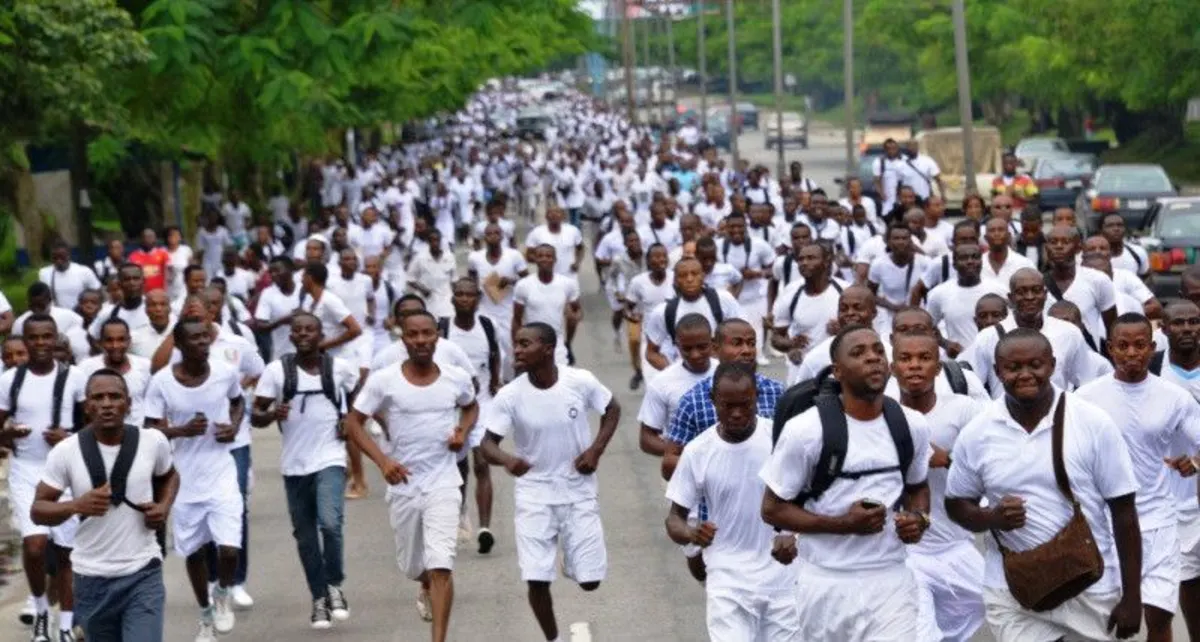
The Police Service Commission released the names of 50,000 successful applicants for the Nigeria Police Force constable recruitment on Wednesday. The list marks the end of a nationwide written examination held earlier this year. Candidates can now check their status on the official portal npfapplication.psc.gov.ng starting midnight Thursday.
The commission described the exercise as transparent and inclusive. It involved multiple stakeholders including the Federal Character Commission, Ministry of Police Affairs, and state career departments. Each body played a role in verifying credentials and ensuring regional balance. The collaboration aimed to prevent nepotism and favoritism that have marred past recruitments. Yet the real test begins now. Every successful applicant must pass a medical examination before training commences. Those who fail will be disqualified immediately.
Applicants must report to designated police training institutions with their call-up slips, NIN, BVN, and original certificates. The PSC warned that failure to report on time would be treated as a declined offer. This strict timeline reflects the urgency of bolstering police manpower amid rising insecurity. The 50,000 recruits represent the largest single intake in Nigeria’s history. Their deployment could reshape community policing across the country. However, the medical screening process may thin the ranks significantly. Past recruitments saw up to 15% of candidates fail medical tests due to undisclosed health conditions.
The PSC chairman, retired DIG Hashimu Argungu, thanked President Bola Tinubu for approving the recruitment. He framed it as a critical step to strengthen national security. Yet the recruitment also exposes systemic gaps in Nigeria’s policing infrastructure. Training academies are already stretched. Accommodation, equipment, and instructors may struggle to absorb the influx. The PSC has not disclosed how many training centers will handle the new recruits or whether additional facilities are being prepared.
Another overlooked dimension is the economic impact on recruits. Many come from low-income backgrounds. The delay between selection and training could force some to seek alternative employment. The PSC has not clarified whether recruits will receive stipends during the waiting period. This silence risks undermining the very security goals the recruitment aims to achieve. Families relying on these recruits for income may push them toward informal work, creating absenteeism before training even begins.
The recruitment also highlights regional disparities in policing. Northern states, which face higher insurgency threats, received a larger share of slots. Southern states, however, saw more applicants per capita. This imbalance could fuel perceptions of unequal security prioritization. The Federal Character Commission’s involvement was meant to mitigate such concerns. Yet without public disclosure of state-by-state allocation, transparency remains incomplete. Local leaders in underrepresented states may question the fairness of the process.
The PSC’s reliance on digital verification introduces another layer of risk. The portal npfapplication.psc.gov.ng will handle thousands of simultaneous logins. Past government portals have crashed under similar pressure. The commission has not revealed contingency plans if the system fails. Candidates without reliable internet access, particularly in rural areas, may struggle to confirm their status. This digital divide could exclude otherwise qualified applicants, undermining the exercise’s inclusivity claims.
The 50,000 recruits will join a force already grappling with morale and operational challenges. Nigeria’s police-to-citizen ratio remains below the UN-recommended standard. The new intake may ease the burden but will not solve deeper issues like poor funding and corruption. The PSC chairman’s call for integrity rings hollow without concrete reforms in police welfare and accountability. Without these, the recruits risk becoming another layer of an under-resourced and distrusted institution.