
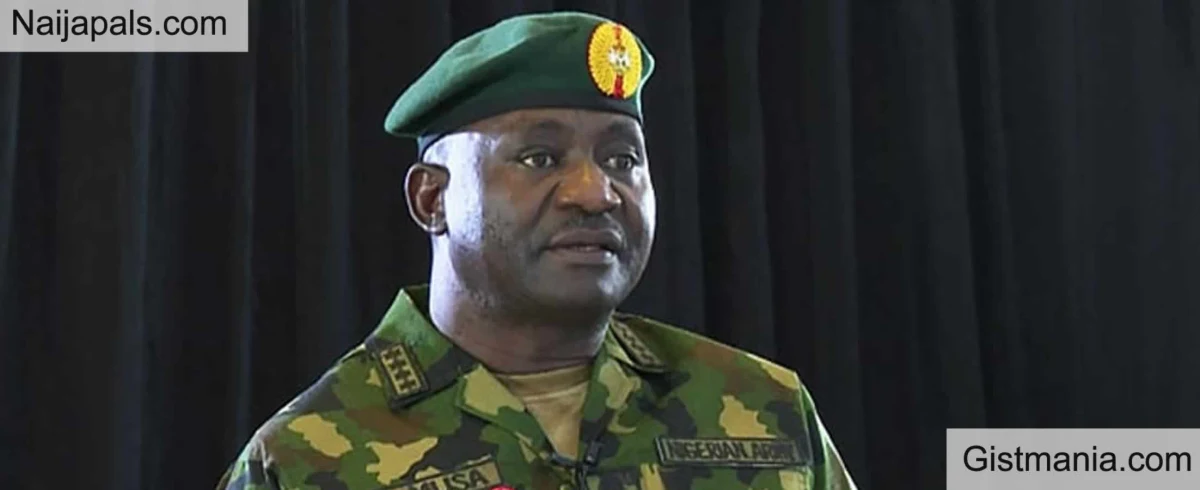
Defence Minister Christopher Musa confirmed the military knows exactly where the bandits are holding 39 pupils and seven teachers from Oyo State. The troops have not stormed the hideout because the kidnappers threatened to execute every child if soldiers move closer.
The standoff began on May 15 when gunmen raided Baptist Nursery and Primary School in Yawota and two neighbouring schools in Esinle, Oriire Local Government Area. They shot dead two teachers and a motorcyclist before herding the children and staff into the bush. Fifty-six days later the hostages are still in captivity. A video released on June 20 showed the execution of teacher Michael Oyedokun. The footage was sent to local media as proof the gang would carry out its threat.
Musa told News Central the bandits want their own commanders freed first. "They are looking for leverage because we have some of their commanders with us," he said. "They feel taking these kids and holding them to ransom will make us release their commander. Now they are threatening that if we come any closer, they are going to kill all the kids." The minister did not name the detained commanders or say how many are in custody, but the link between the two groups is now clear: the military holds the leadership, the kidnappers hold the children.
The military’s dilemma is acute. Intelligence reports confirm the gang has rigged the camp with explosives and positioned the children in front of the detonation points. Any direct assault could trigger a massacre. Yet every day the children remain in captivity increases the risk of disease, malnutrition and psychological trauma. Local doctors report that families of the abducted pupils are already showing signs of severe stress; three parents have been hospitalised for hypertension since the abduction.
Governor Seyi Makinde has faced mounting criticism for what residents call a slow response. On July 5 he visited the affected communities and promised the state would pay any ransom demanded. That statement was quickly walked back by his media aide who clarified the government would only facilitate negotiations, not pay cash. The confusion deepened when the Oyo State House of Assembly released a statement claiming the kidnappers had demanded ₦1 billion, the implementation of Sharia law in Oriire LGA, and the provision of four Hilux vehicles. The principal of Baptist School, Rachael Alamu, later appeared in a video denying those demands. "They only want their people released," she said. The conflicting narratives have left parents unsure whom to believe.
Security analysts say the Oyo abduction reveals a dangerous evolution in bandit tactics. In previous mass kidnappings—Chibok in 2014, Dapchi in 2018, Kankara in 2020—the gangs demanded cash and safe passage. Here they are bartering human lives for human lives, turning the military’s own detainees into bargaining chips. The strategy forces the state into a moral corner: release convicted criminals or risk the slaughter of innocent children. It also exposes a gap in Nigeria’s counter-terrorism framework. While the Terrorism Prevention Act allows for the detention of suspects, it does not provide clear protocols for prisoner exchanges during active hostage situations.
The Defence Minister has called for the death penalty for kidnappers. "The laws are soft," Musa said. "If they know once you commit an offence, there must be punishment, they will think twice." His statement comes as the Senate debates a bill to amend the Terrorism Prevention Act. The proposed amendment would make kidnapping for ransom a capital offence. Human rights groups oppose the move, arguing that the death penalty has not reduced crime in states where it is already in force. They also warn that executing kidnappers could provoke retaliatory killings of hostages. The debate is expected to resume when the Senate reconvenes in September.
Behind the scenes, security agencies are pursuing a multi-track strategy. The military has established a 20-kilometre exclusion zone around the hideout to prevent the gang from receiving supplies. Drones and thermal imaging cameras monitor movement inside the camp. Negotiators from the Department of State Services have opened back-channel talks with the kidnappers, offering safe passage out of Oyo State in exchange for the unconditional release of the children. So far the gang has rejected the offer, insisting on the release of their commanders first. Meanwhile, the police have arrested 14 suspected informants in Oriire LGA, including two local vigilantes who allegedly guided the bandits to the schools.
Parents of the abducted children have organised daily prayer vigils at the palace of the Soun of Ogbomoso. They say they have received no official briefing from the state government since the abduction. "We are in the dark," said Mrs Folake Adewale, mother of nine-year-old Tolu. "We don’t know if our children are alive or dead. The government must tell us what is happening." The federal government has set up a crisis centre in Ibadan, but access is restricted to security personnel. Families are left to rely on rumours and social media updates. The lack of transparency has fuelled speculation that the government is preparing a military operation that could end in tragedy.


