
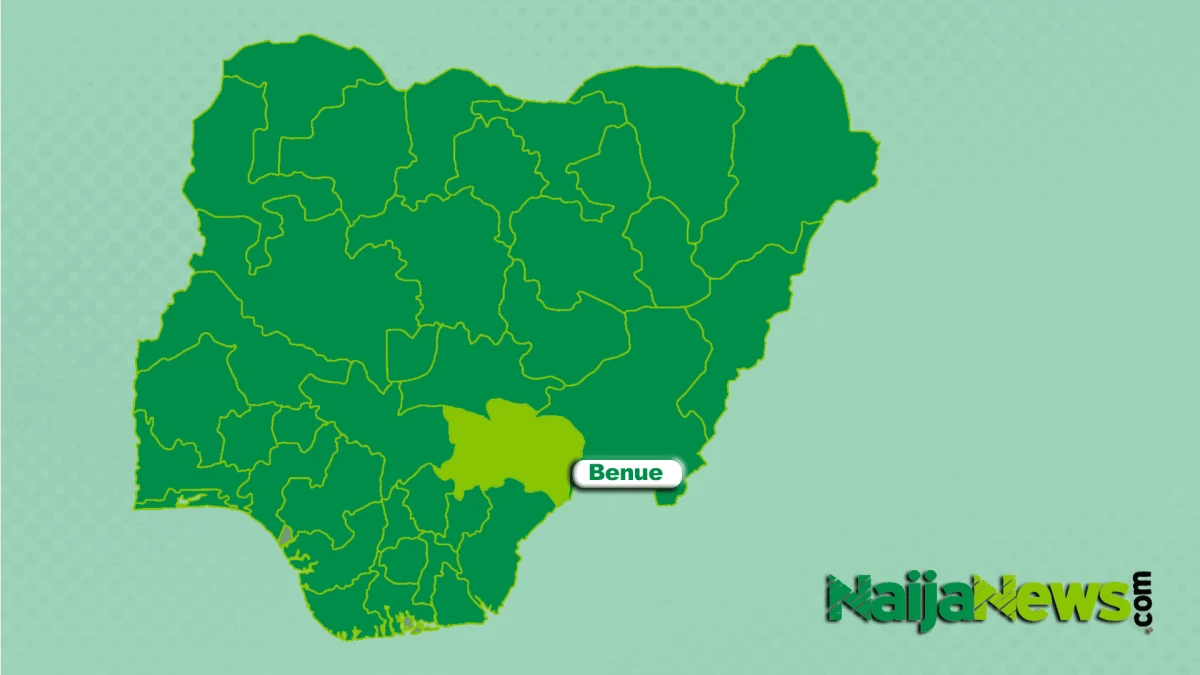
A Nigerian soldier attached to the 130 Battalion in Baga escaped from kidnappers after three days in captivity. He reached the 72 Special Forces Battalion in Makurdi at 11:53 am on June 30. Military authorities confirmed his arrival but withheld details of the escape. They are transferring him to Ogoja for debriefing and medical evaluation. This incident exposes critical gaps in troop movement security protocols.
The soldier was abducted on June 27 while traveling on a welfare pass from Baga to Ogoja. He was unarmed and alone. The route crosses high-risk areas where bandits and insurgents operate freely. The 130 Battalion covers the volatile Lake Chad region. Military sources familiar with force protection policies told this newspaper that lone personnel movements on welfare passes are common. They said the practice persists despite repeated abductions. This reveals a systemic failure to adapt security measures to evolving threats.
The 401 Intelligence Cell in Makurdi tracked the soldier’s escape. They did not disclose how he broke free. Military escape-and-evasion instructors said trained soldiers exploit captor complacency. They use terrain familiarity and psychological pressure. The soldier’s ability to reach Makurdi alone suggests he applied these techniques. This raises questions about why extraction teams were not deployed once his location was known. A retired special forces officer said such delays often stem from bureaucratic approval chains. He said field commanders lack authority to launch immediate rescue operations.
The escape coincided with escalating violence in Benue and neighboring states. On June 25 bandits killed four residents in Dansarai Katsina. They used AK-47 rifles and motorcycles. In Niger State bandits clashed with vigilantes near Kotonkoro on June 30. Two civilians were shot and several abducted. These incidents reveal a pattern of armed groups exploiting ungoverned spaces. The military’s reactive posture allows kidnappers to dictate engagement terms. A security analyst said the military’s static checkpoints and road patrols are easily bypassed. He said mobile armed groups use motorcycles to outmaneuver security forces.
The military has launched an investigation into the abduction. They seek to identify the kidnappers and their sponsors. Past probes have yielded few convictions. The soldier’s escape offers a rare opportunity to gather actionable intelligence. His debriefing could expose kidnapper routes, hideouts and communication methods. This requires urgent coordination between the 72 Battalion Makurdi and the 130 Battalion Ogoja. A military intelligence officer said delays in information sharing between units often degrade intelligence value. He said the military’s compartmentalized structure hinders rapid response.
The incident exposes deeper institutional gaps in Nigeria’s counter-kidnapping strategy. The military relies on outdated force protection measures. The soldier’s abduction occurred despite the recent approval of a ₦34.5 billion airstrip in Benue for security operations. This suggests infrastructure alone cannot solve the problem. The military must adopt dynamic measures including armed escorts for lone personnel and real-time tracking of welfare pass movements. A defense policy expert said the military’s budget prioritizes hardware over personnel security. He said this imbalance leaves troops vulnerable to asymmetric threats.
A 2018 military reform attempted to address similar gaps. The Nigerian Army established the 7 Division to coordinate counter-insurgency operations in the Northeast. The division improved intelligence sharing and rapid response capabilities. However, its success was limited by funding constraints and inter-service rivalries. The escaped soldier’s case shows these structural issues persist. A security sector reform advocate said the military’s hierarchical culture discourages innovation. He said field commanders are reluctant to challenge outdated policies.
Benue’s security crisis is compounded by ethnic tensions. On July 1 the state government visited the family of Risku Muhammad, a slain Fulani leader. The delegation included police and MACBAN representatives. They urged restraint amid fears of reprisal attacks. This diplomatic effort contrasts with the military’s slow response to the soldier’s abduction. It highlights the need for unified civil-military coordination. A conflict resolution expert said the military’s focus on kinetic operations often neglects community engagement. He said this creates a vacuum exploited by armed groups.
The soldier’s escape should serve as a catalyst for reform. Nigeria’s kidnapping epidemic has evolved into a low-risk, high-reward enterprise for armed groups. The military’s current approach is fragmented and reactive. Without structural reforms including intelligence-led operations and inter-agency collaboration, the crisis will deepen. The escaped soldier’s ordeal must not be reduced to a footnote. It demands a systemic overhaul of Nigeria’s security architecture.


